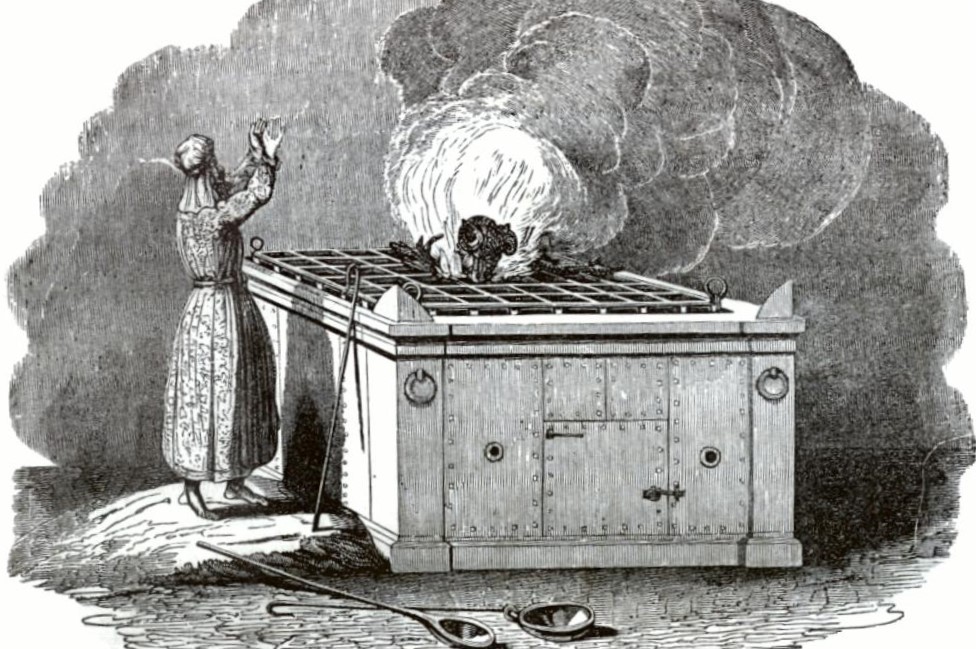
“If the animal you present as a burnt offering is from the herd, it must be a male with no defects. Bring it to the entrance of the Tabernacle so you may be accepted by the LORD.”
Leviticus 1:3 (NLT)
We come now to the offerings that the LORD prescribed to make atonement for the people. One could not approach God apart from animal sacrifice. This foreshadowed the sacrifice of Christ.
Five offerings are described in Leviticus. The first three were voluntary; the last two were required. The first was the burnt offering. This was the most ancient of offerings, for it was offered by both Noah and Abraham. The entire animal was placed on the altar. Therefore, it was considered the offering of consecration. It could be from the herds (bulls) or from the flocks (sheep or goats). The blood was sprinkled all around on the altar to make atonement. If you were poor, you could also offer a turtledove or young pigeon.
The burnt offering is what Paul had in mind when he wrote:
“I beseech you therefore, brethren, by the mercies of God, that you present your bodies a living sacrifice, holy, acceptable to God, which is your reasonable service.”
Romans 12:1 (NKJV)
In view of God’s amazing mercies in saving us by grace through faith in Jesus Christ, our reasonable service of worship is to offer our bodies to God as a living sacrifice. It is the offering of consecration or dedication where we put our whole bodies on the altar and hold back nothing for ourselves. We do this because Jesus willingly yielded His entire body on the cross for us.
What does it mean to you to dedicate your body to God as a living sacrifice? Is anything hindering you from doing this?
Listen to the complete podcast
Subscribe to receive a daily devo in your inbox:
 Simply the Bible Blog
Leave a comment